The garment you print on does as much for an activation as the artwork. The best products for onsite t-shirt printing share three traits: they take ink or transfers cleanly, they feel good enough that guests want to wear them, and they print fast enough to keep the line moving. Here is how the Merch Troop crew chooses blanks and builds a product menu that looks intentional under event lighting.
It is tempting to load the menu with options, but variety slows a live station and dilutes the brand. A tighter menu — one or two garment styles in a curated color range — prints faster, photographs better, and gives guests a confident, designed-feeling choice rather than a wall of blanks. Every additional style adds inventory to manage, sizes to stock, and a decision for each guest to make, all of which quietly drag on throughput during a busy window.
There is also a brand argument for restraint. A cohesive lineup in your colors reads as a designed collection rather than a pile of promotional product, and that perception carries into how long guests keep and wear the item. The blanks that perform best on site are the ones people would have happily bought, so the choice of garment is really a choice about how many future impressions the merch earns after the event ends.
The workhorse: retail-weight t-shirts
A soft, retail-fit tee is the foundation of nearly every onsite program. Guests judge merch the second they touch it, so a premium ringspun or tri-blend blank earns more wears than a stiff promotional tee. For live printing, mid-weight cotton and cotton blends press cleanly and dry quickly, which matters when you are turning shirts in real time.
Fit matters as much as feel. A modern, true-to-size cut in a small range of unisex sizes covers most crowds, and a fitted option broadens appeal further. The aim is a tee guests reach for again, because a shirt that lives in the rotation keeps your logo in circulation long after the activation is over.
- Soft retail tees for the premium hero look guests actually keep.
- Mid-weight cotton for high-volume events where speed and value matter.
- A curated color range — two to four on-brand colors print and merchandise better than a dozen.
Premium upgrades: hoodies and crewnecks
When the budget and the season allow, a fleece option elevates the whole station. Hoodies and crewnecks carry a print beautifully and feel like apparel guests would buy. They cost more and take a slightly larger press footprint, so they work best as a featured upgrade rather than the default. A single well-chosen fleece style alongside the hero tee gives guests a clear good/better choice without bloating the menu.
Hats and headwear
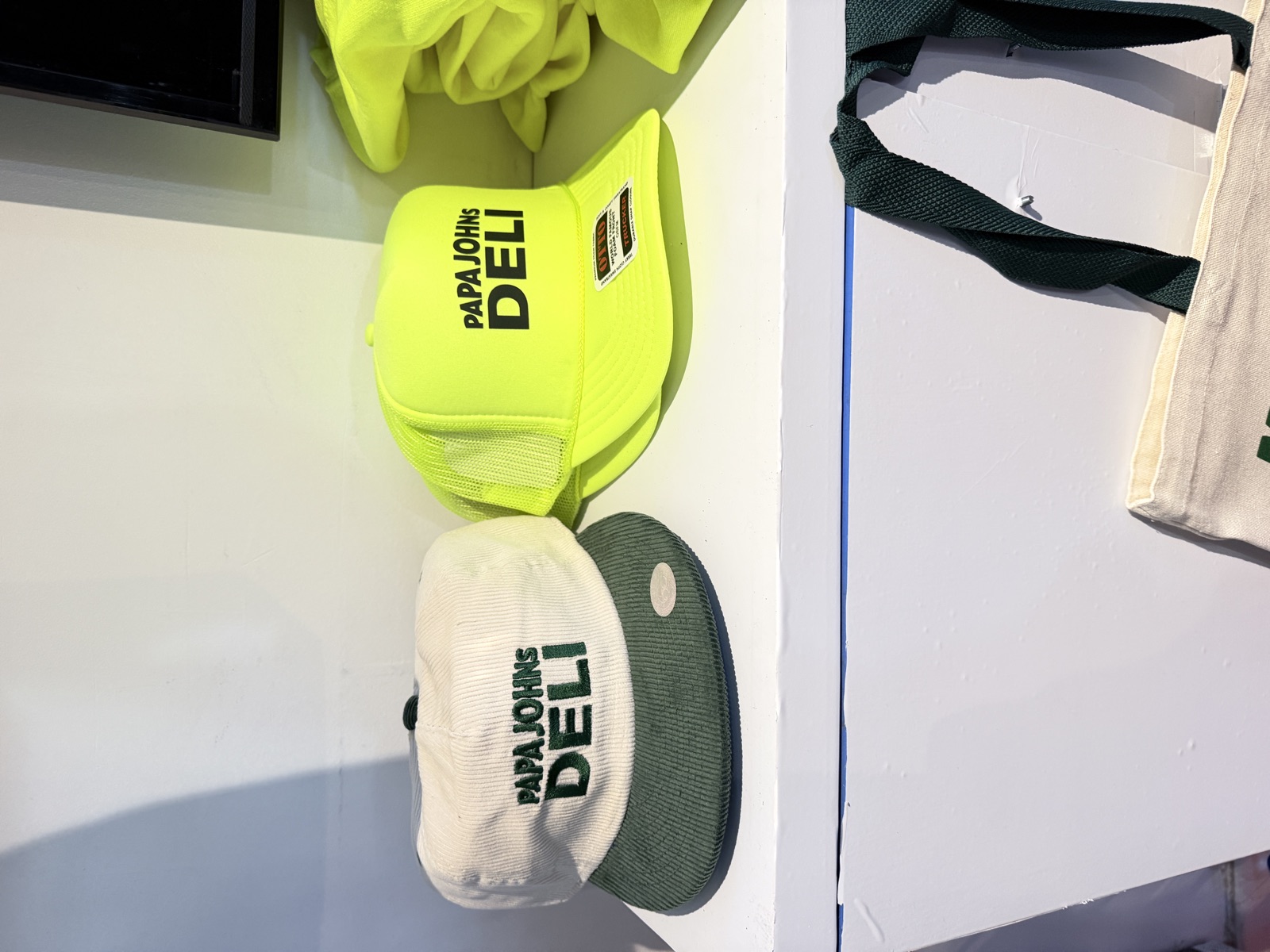
Hats are the highest-perceived-value item you can hand out and the most worn afterward. Structured and trucker caps suit embroidery for a clean, premium finish, while flat patches and pressed transfers offer a faster live option. Because guests wear event hats far beyond the day, headwear is one of the strongest impression-per-dollar plays in any merch program.
Headwear also photographs well and travels light, which makes it a smart choice for activations where you want guests sharing the moment. Because a hat is one-size-fits-most, it sidesteps the size-curve guessing that tees require, so it is easier to stock and harder to run out of mid-event.
Totes, bags, and extras
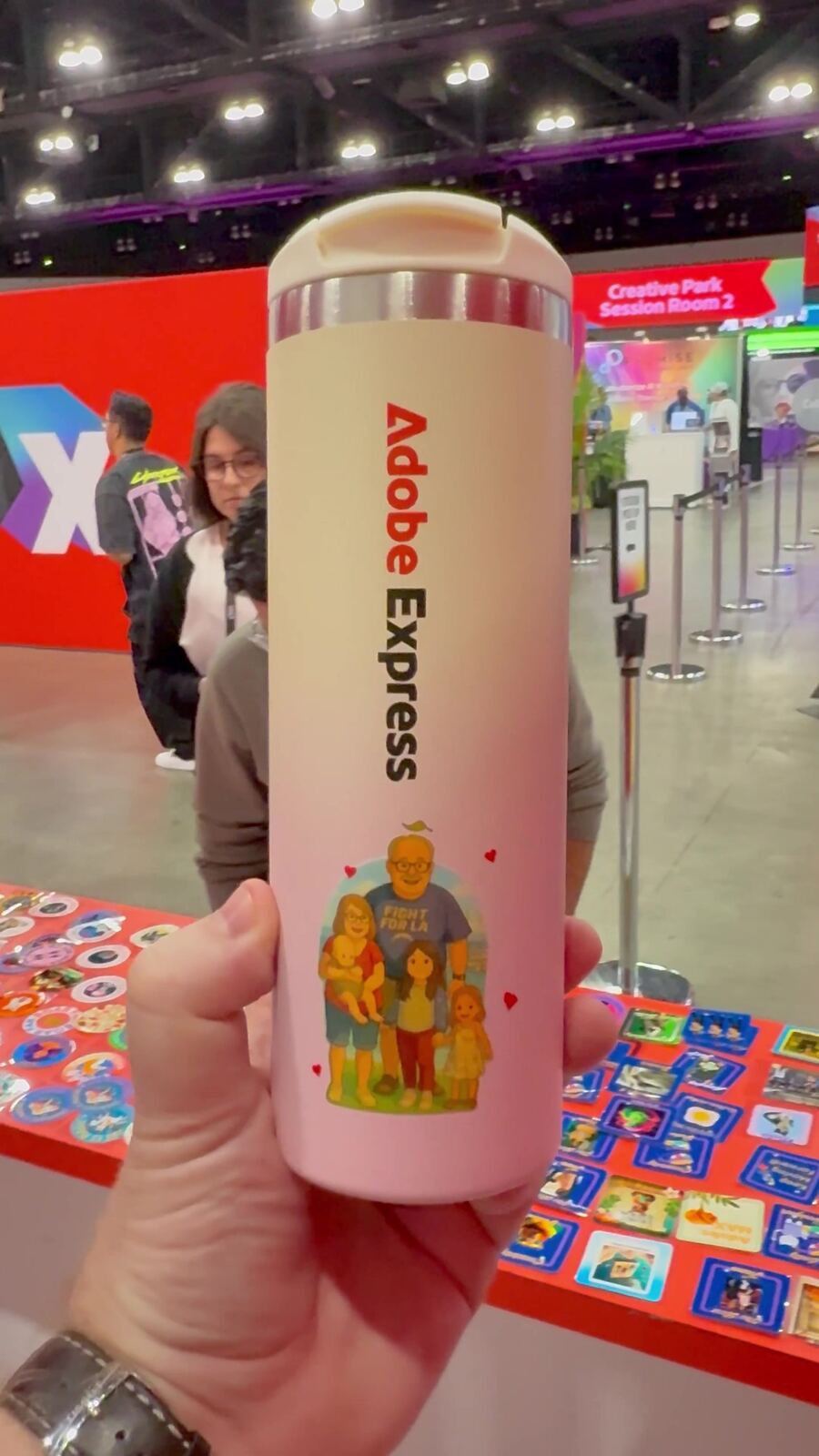
Cotton totes and drawstring bags print fast on flat presses and give non-apparel guests something to take home. They are also useful as a secondary station that absorbs line pressure during peaks. Round out a menu with selective extras — the goal is a cohesive lineup, not a catalog.
Extras work best when they have a clear job: a tote for trade-show attendees carrying collateral, or a second flat-press item that keeps a second line moving when the apparel station is slammed. Add them deliberately rather than to pad the menu, because every extra still consumes table space, inventory, and a guest's attention.
Match the product to the method
Product choice and decoration method are linked decisions:
- Screen printing favors flat cotton tees and totes for one strong design at volume.
- DTF transfers handle blends, fleece, and full-color or variable art, pressing cleanly across more fabrics.
- Embroidery belongs on hats, polos, and bags where a stitched finish reads as premium.
Choosing the garment and method together is what keeps a live line both fast and good-looking.
How to build the menu
A clean onsite product menu usually looks like this: one hero tee in two or three colors, one premium upgrade (a hoodie, crewneck, or hat), and an optional extra such as a tote. Stock the size curve generously — running out of mediums and larges mid-event stalls the line and disappoints guests. Confirm quantities against expected demand with a comfortable buffer.
Weight the inventory toward the sizes most guests actually wear, with extra depth in the middle of the curve and a sensible spread at the ends. It is far better to finish the event with a handful of leftover blanks than to turn guests away because their size sold out in the first hour. Lock these quantities a week or two ahead so blanks can be sourced and staged without a last-minute scramble.
Merch Troop sources blanks — tees, hoodies, crewnecks, long sleeves, and hats — in the colors, brands, and sizes your program calls for, or prints on garments you provide. As a single managed vendor based in Orange County and serving Los Angeles, San Diego, Las Vegas, and nationwide programs, we handle product sourcing, artwork prep, trained operators, setup, and guest handoff end to end.